.svg)
Shopify Partial Payments & Deposits in Bookings and Rentals
Last updated on
May 15, 2026
.avif)
You're running a booking or rental business on Shopify, and you have two options to get payments:
Option A: Ask for full payment upfront and watch customers bounce.
Option B: Let them book free and deal with no-shows and cancellations.
Neither option feels right.
This is exactly why partial payments and deposits exist. They protect your business while giving customers the flexibility they want.
So, modern booking apps like BookX now support partial payments and deposits natively, which changes everything.
In this blog, I’ll help you understand why this feature matters, when you should use it, and how it works
What Are Partial Payments and Deposits?
People use these terms interchangeably all the time, but they actually solve slightly different problems. Let me clear that up first.
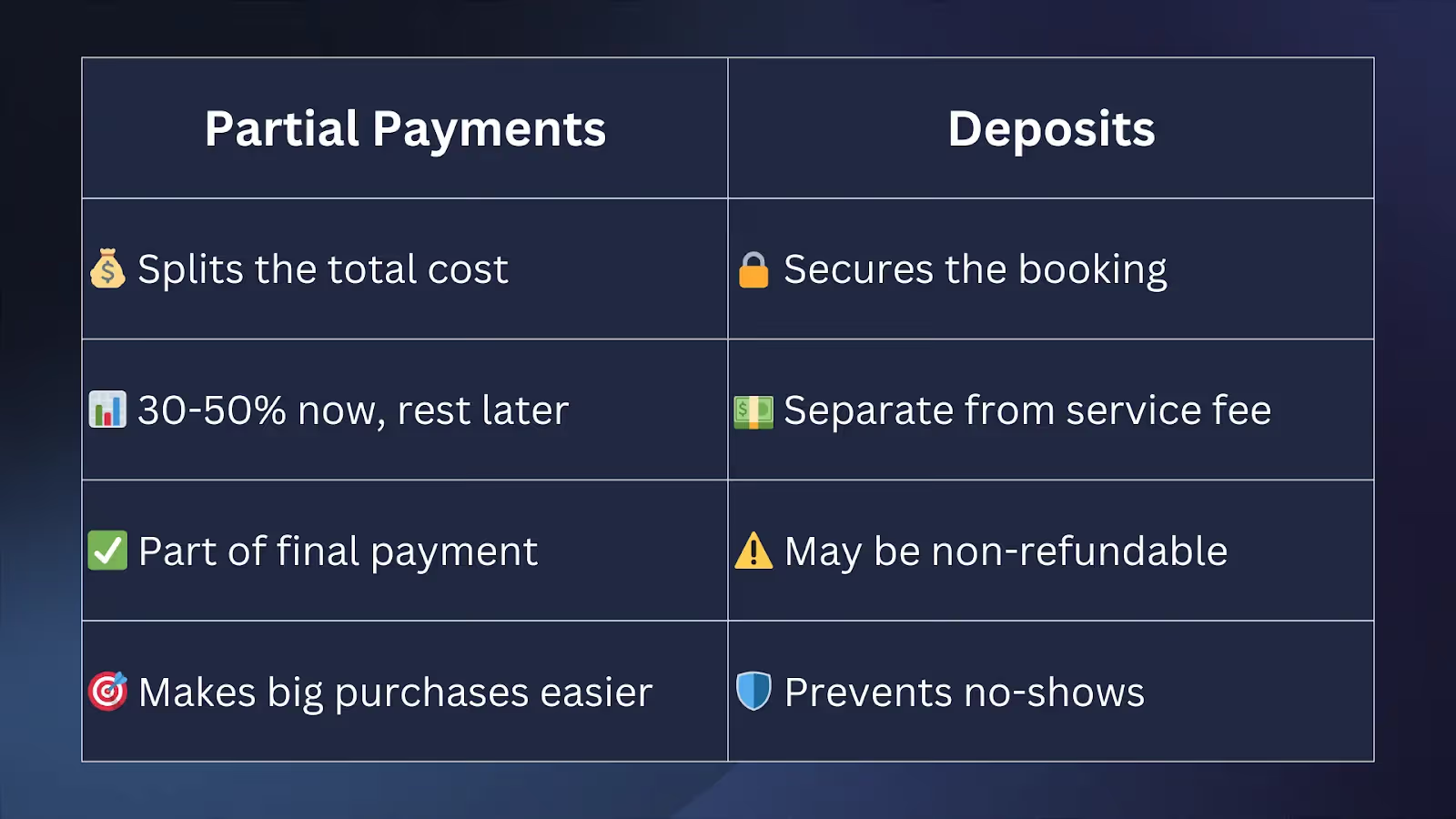
Partial Payment
A partial payment means the customer pays a portion of the total cost when they book, either a percentage or a fixed amount, and pays the remaining balance later.
Here are a few examples:
- Pay 30% now, 70% on the day of service
- Pay ₹500 upfront, pay the rest when you arrive
- Split a large booking into two or three installments
Where this shows up most:
- High-ticket consulting sessions
- Multi-session coaching programs
- Workshops with high upfront costs
- Premium or custom services
- Long-duration rentals (like weekly equipment rentals)
The key here is that the partial payment is part of the total cost. It's not extra. It's just breaking up one big payment into smaller, more manageable chunks.
Deposit (Booking Deposit or Security Deposit)
A deposit is a smaller upfront amount that the customers pay for a purpose:
- Confirms the booking and shows the customer is serious
- Reduces no-shows and casual bookings
- Protects your business from last-minute cancellations or damage
Deposits can be:
- Non-refundable (a booking fee that you keep regardless)
- Refundable (a security deposit that gets returned if everything goes well)
- Partially refundable (you keep some if they cancel within a certain timeframe)
Where deposits matter most:
- Equipment rentals (cameras, tools, event gear)
- Space rentals (studios, meeting rooms, event venues)
- Salon and spa appointments
- Workshops with limited seats
The difference is subtle but important: a partial payment is part of what they'll pay anyway.
A deposit is often separate from the total cost. It's about commitment and protection, not just splitting up the bill.
Why do you need the Partial Payment and Deposits Feature
The problem is that Shopify's core checkout system was built for selling physical products, where customers pay 100% upfront. It doesn't natively understand:
- Partial payments over time
- Deposits are separate from the main charge
- Payment schedules tied to dates or events
That gap is exactly where booking apps come in. They layer on top of Shopify's checkout to add the payment flexibility that booking and rental businesses actually need.
When to use Shopify Partial Payments
Partial payments shine when the main barrier to booking is the upfront cost, not commitment.
Use partial payments when:
- Your service or rental has a high ticket price ($200+)
- Customers hesitate to pay the full amount immediately
- You want to remove friction while still securing the booking
- Cash flow for customers matters (they might book more if they can pay in stages)
Common scenarios where this works perfectly:
- High-value consulting or coaching
A $1,500 consulting package feels daunting upfront. Breaking it into $500 now and $1,000 later makes it more accessible without changing your pricing.
- Multi-day equipment rentals
Renting professional camera equipment for a week at $800 total? Let them pay $300 to secure the booking and the rest on pickup day.
- Custom services with lead time
If you're providing a custom service that takes weeks to deliver, collecting 40% upfront and 60% on delivery protects both of you.
- Workshops or training programs
A $600 workshop could get more sign-ups if people pay $200 to reserve their spot, with the rest due a week before the event.
The psychology here matters: a partial payment lowers the immediate barrier while still creating commitment. It's easier to say yes to $300 today than $800 today — even if the total is the same.
When to use Shopify Deposits
Deposits work best when your main risk isn't the price, it's no-shows, cancellations, or misuse of your time and resources.
Use deposits when:
- You block specific inventory or time slots
- You prepare resources or materials in advance
- Last-minute cancellations directly hurt your business
- Free bookings would attract low-commitment customers
Common scenarios where deposits are essential:
- Salon and spa appointments
A $50 deposit for a $150 haircut ensures people actually show up. If they don't, you at least didn't block that time slot for nothing.
- Equipment rentals with prep time
If you need to clean, inspect, and package equipment before each rental, a $100 deposit ensures customers don't ghost you after all that work.
- Event spaces or studios
Someone booking your photography studio for 4 hours needs to have skin in the game. A $75 deposit dramatically reduces frivolous bookings.
- Limited-seat workshops or classes
If you cap your workshop at 15 people, every no-show means someone else who wanted that spot got blocked. A deposit solves this.
The key difference:
Deposits aren't about making the price easier to swallow. They're about changing customer behavior. Once someone has paid anything, even $25, their commitment level increases compared to a free booking.
Studies show that even small deposits can reduce no-shows by 30-50%. That's not a small improvement; it's the difference between a profitable business and one that's constantly chasing lost revenue.
How Shopify Partial Payments & Deposits Work in Bookings
Modern booking apps handle this logic directly without forcing you to hack together weird Shopify workarounds or install multiple apps.
BookX's Partial Payment and Deposit Features
Here are the payment options available in the BookX app.
- Full payment upfront
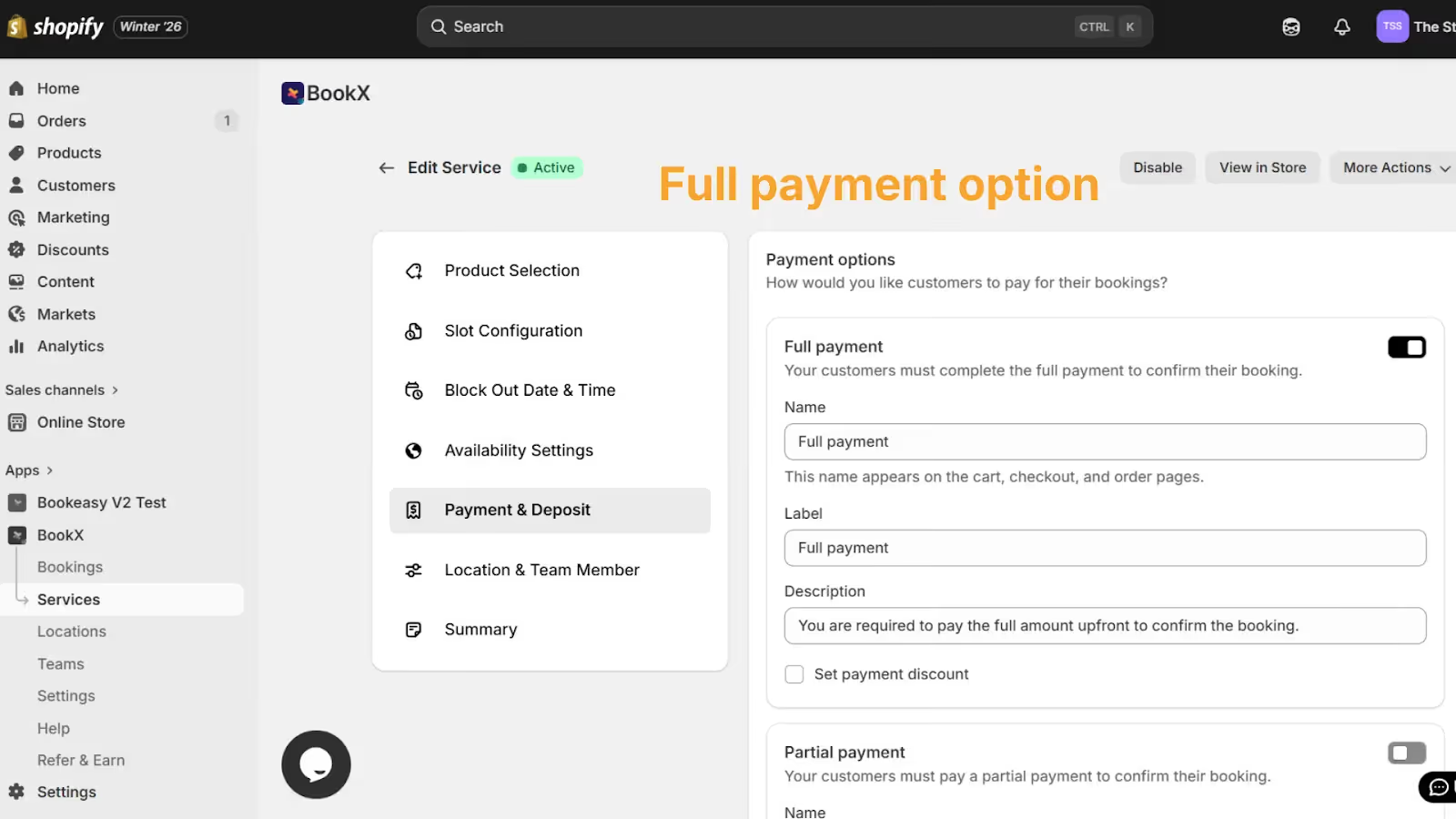
- Partial payment (percentage or fixed amount)
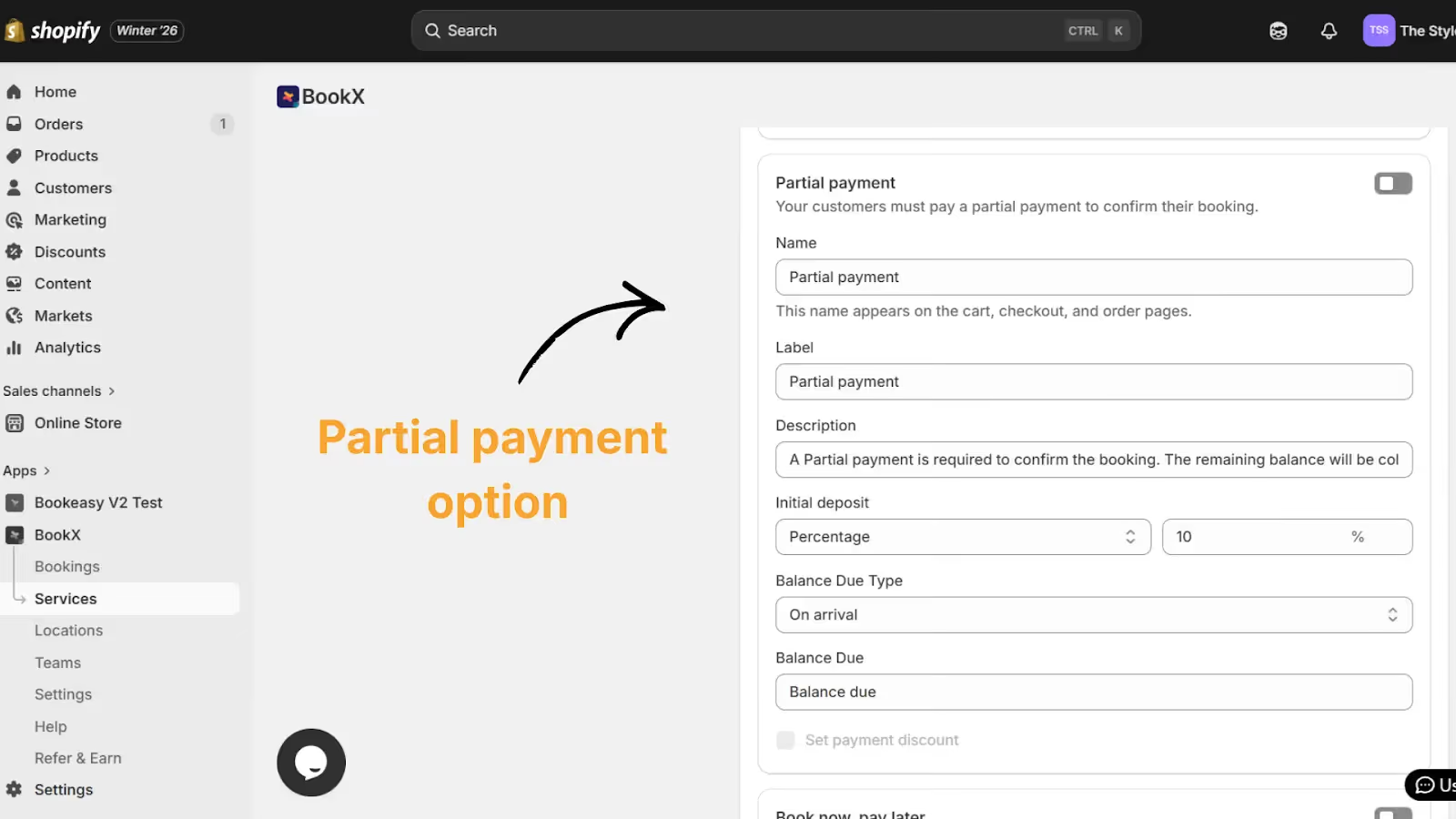
- Deposit only (refundable or non-refundable)
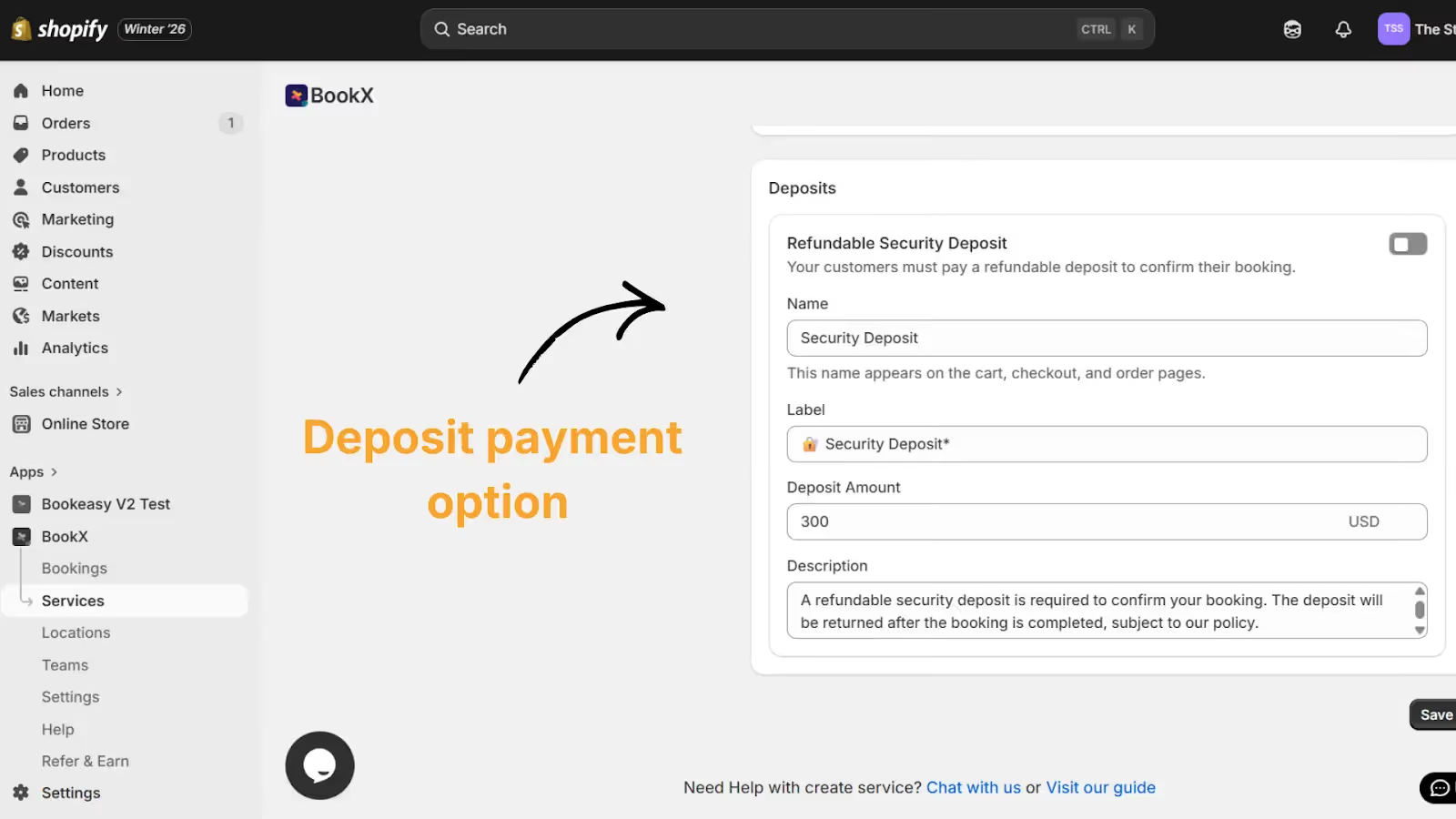
And here’s how it looks on your store after the setup
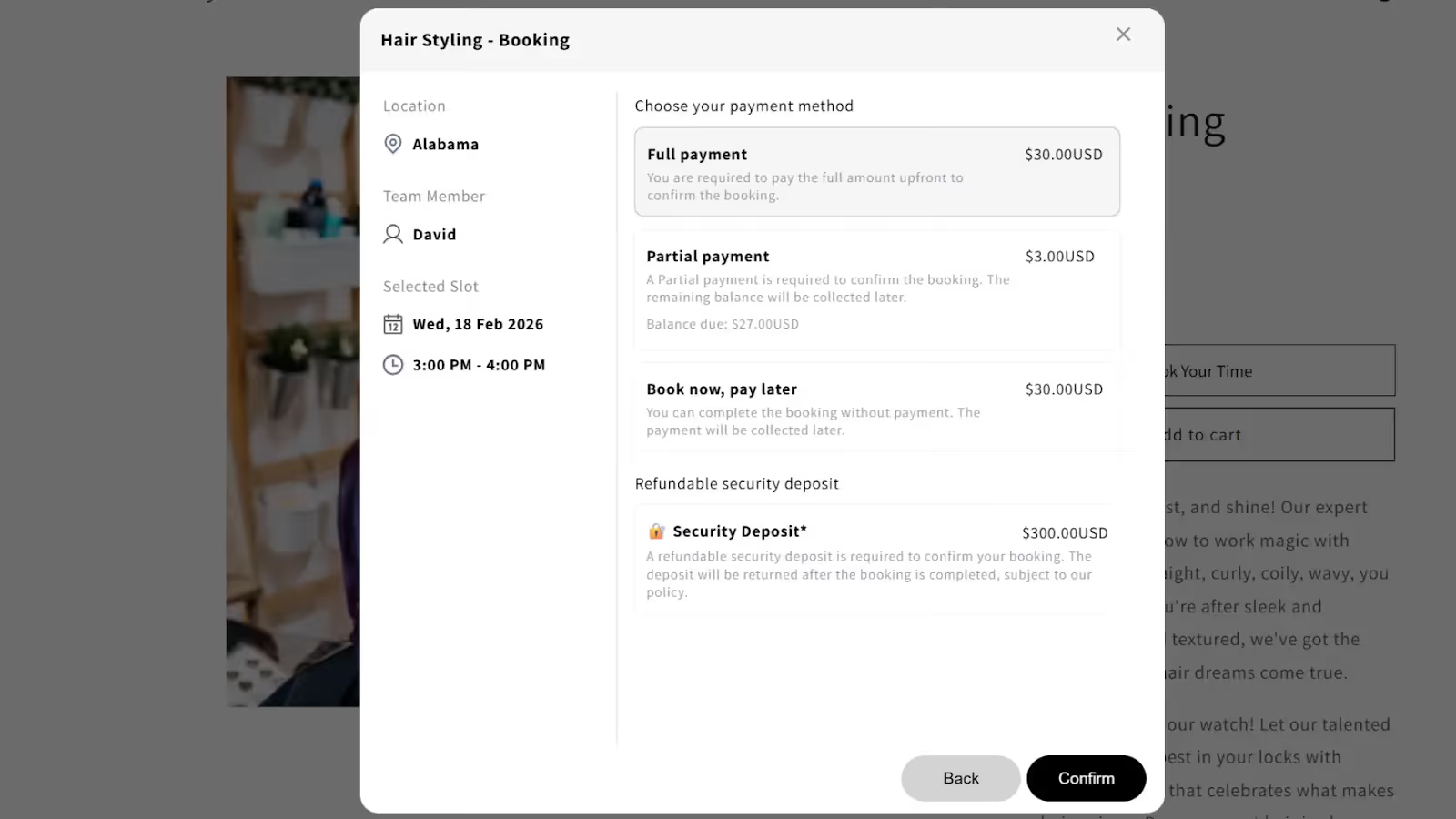
Here’s what you get:
- The booking locks in your calendar or inventory
- You receive the upfront payment immediately
- The system tracks what's still owed
- You can collect the balance later (manually or through a payment link)
Additional Payment Options You Should Know About
1. Book Now, Pay Later
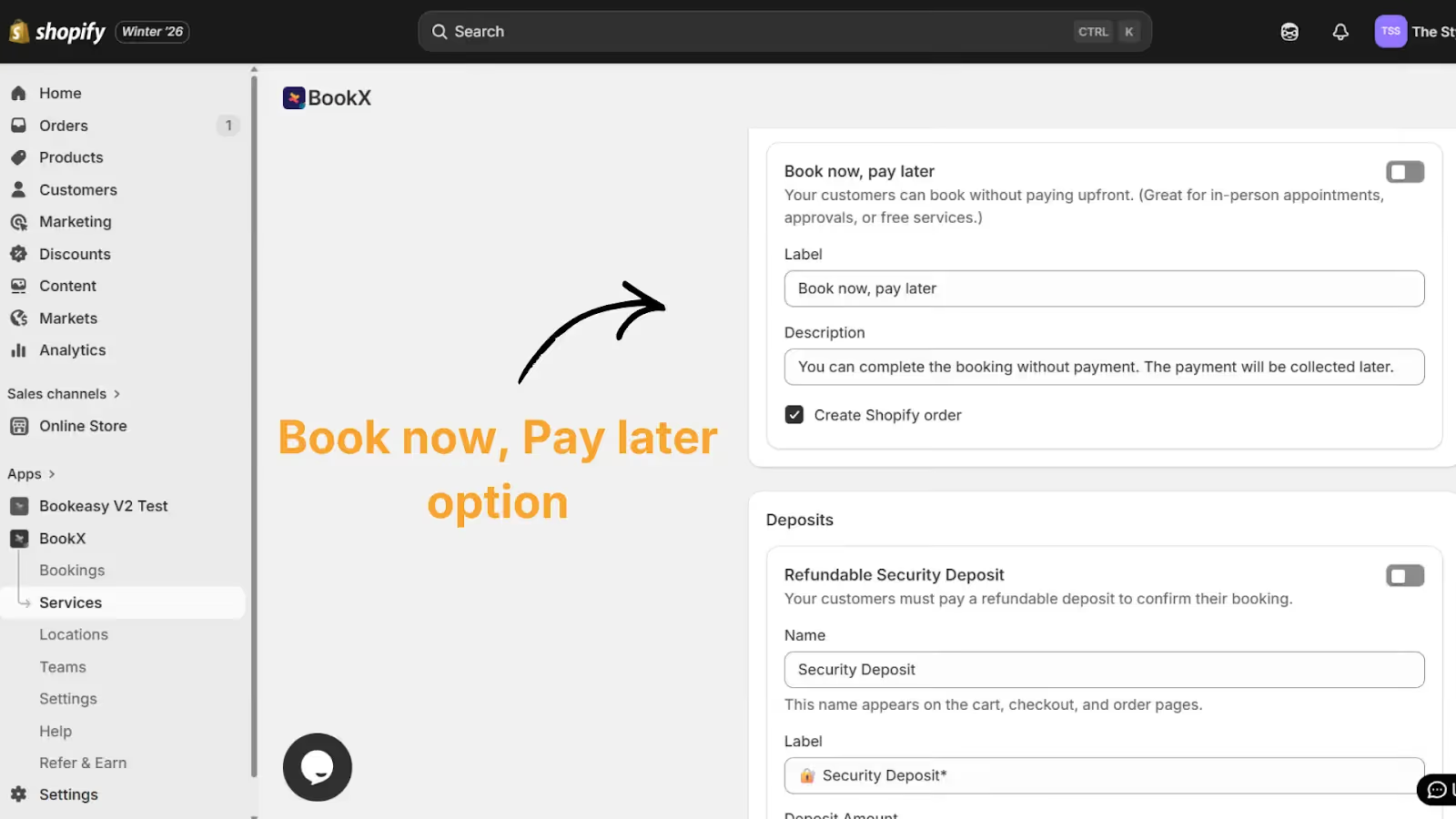
This lets customers reserve a slot without paying anything upfront. It sounds risky, but it's perfect for:
- In-person services where you collect payment at the location
- Consultations that need approval before charging
- Free events or services
2. Refundable Security Deposits
This is separate from the rental or service fee. For example:
- Rent a camera for ₹5,000
- Pay a ₹3,000 refundable security deposit
- Get the deposit back when you return the camera in good condition
This protects you against damage, late returns, or missing accessories without inflating your rental price.
To add these payment features for the bookings on your Shopify store, you can try the BookX app.
FAQs
1. How to do partial fulfillment in Shopify?
Partial fulfillment is for splitting product shipments, not payments. For partial payments on bookings or rentals, you need a booking app like BookX that supports deposit or installment options. Shopify's native checkout doesn't handle split payments for services.
2. Does Shopify allow partial payments?
Shopify's standard checkout requires full payment upfront. However, booking apps like BookX add partial payment functionality, letting you collect a percentage or fixed amount now and the balance later.
3. How does Shopify deposit payment work?
Shopify doesn't have built-in deposit payments for bookings. You need a booking app that integrates with Shopify checkout to collect deposits. The app handles the deposit collection, locks the booking, and tracks the remaining balance due.
4. How to add a refundable deposit feature on Shopify?
Install a booking app like BookX that supports refundable deposits. Configure the deposit amount in the app settings, set it as refundable, and define your refund conditions. The app manages the deposit collection and refund process.
5. What is the "book now, pay later" option on Shopify?
This lets customers reserve a booking without paying upfront. It's useful for in-person services, consultations requiring approval, or free events. Apps like BookX create a Shopify order to track the reservation, and you collect payment later.
Next steps
Partial payments and deposits are risk management tools that make your business more sustainable. For booking and rental businesses on Shopify, they help you:
- Reduce no-shows by 30-50% (sometimes more)
- Secure inventory and time slots without giving them away for free
- Improve cash flow with staged payments
- Offer flexibility without creating chaos or financial risk
With booking apps like BookX now supporting partial payments and deposits natively, you don't need complex workarounds, multiple apps, or manual invoicing systems. It's built right in.
If your business depends on time, availability, or physical inventory, then collecting something upfront isn't optional anymore. It's just good business.
Install BookX today to set up your first deposit or partial payment structure in under 10 minutes.
No complicated setup, no hidden fees — just a straightforward way to protect your business and give customers the payment flexibility they want.
.avif)
.svg)
.svg)
.svg)


.svg)