.svg)
How to Create a Booking Without a Product on Shopify (+ 4 Real Store Examples)
Last updated on
September 7, 2026
If your business runs on consultations or reservations, creating a product for it on your Shopify store can be irrelevant. When it’s a service, it’s better when it’s an actual ‘service’ rather than a product. Also, you can let customers skip the payment and avoid creating a Shopify order.
Shopify doesn’t have this feature. But you can do it with Shopify booking apps like BookX to get this done. But it’s not just about adding a service booking without a product; it’s about offering a professional booking flow.
Why you shouldn’t create a product for a booking on Shopify
1. A $0.00 product has to go through a full checkout.
When you offer free consultations and intro calls without charging customers, you can’t force them through Shopify's cart and checkout. If it’s a simple payment-less booking, it can just be a booking experience rather than like buying a product.
2. The booking button is stuck wherever the product lives.
Bookings linked to a product live on a product page. If you want the booking option on your homepage or a page you share directly, a product-based setup doesn’t suit the customer flow.
3. Fixed pricing doesn't work when the price isn't fixed yet.
Quote-based trades (like cleaning or repairs) and availability-based bookings (like equipment or rentals) need the booking to happen before the price. So, when the booking feels like paying, customers hesitate.
4. Fake products create real admin work.
You have to create a dummy SKU, a variant set, and inventory settings for something that isn't inventory at all.
Read also: How to Sell Services on Shopify
How BookX solves this problem
1. Customers need not buy a product instead of booking.
With BookX, you can create a service without a product, which removes the product entirely. There's nothing to add to the cart; the booking happens on its own path
2. No forced checkout for free bookings.
Because there's no product, there's no cart or checkout to route through. The bookings are unpaid by design, so a free consultation stays a booking, not a $0.00 transaction.
3. The booking button goes wherever you want.
Once you’ve created a booking, you can simply position the booking on any page.
Also, you can generate a shareable link that opens the booking widget from any page. You can share the link on social media and in emails, which will directly open the booking widget.
4. Booking first, pricing later
Since there's no fixed price attached, bookings work the way they actually happen in real life: take the booking and sort out the details afterward.
5. You don’t have to maintain the inventory
You don’t need to create new SKUs and variants for a service you’re offering. Your product and service live separately.
Read also: How to add Shopify Partial Payments & Deposits for Booking
Note:
Since there's no checkout involved, BookX can't collect payment automatically as part of a no-product booking. If you need to charge for this, a product-linked setup does it.
How other businesses offer bookings without a product
We’ve picked 4 of our customers running different businesses offering bookings without a product.
The Camper Zone
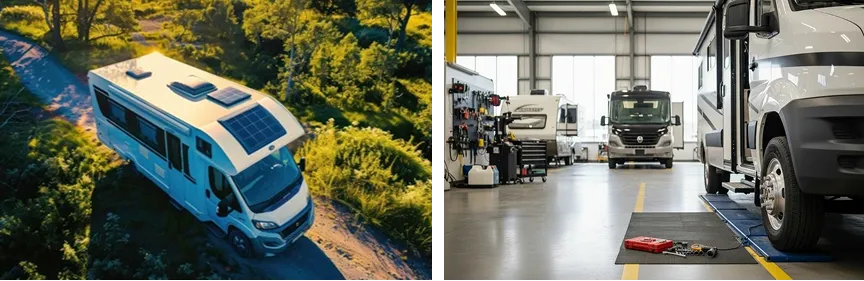
The Camper Zone is a motorhome dealership offering repair, parking, wash, and rental services, with repair work covering everything from gas and water systems to electrics and leaks.
The Challenge
Repair work doesn't have one fixed cost. A gas issue and an electrical fault aren't the same job, and the actual price only becomes clear once someone's actually looked at the vehicle.
Asking customers to pay, or even see a number, before that diagnosis happens doesn't reflect how the work actually gets priced.
How they solved it
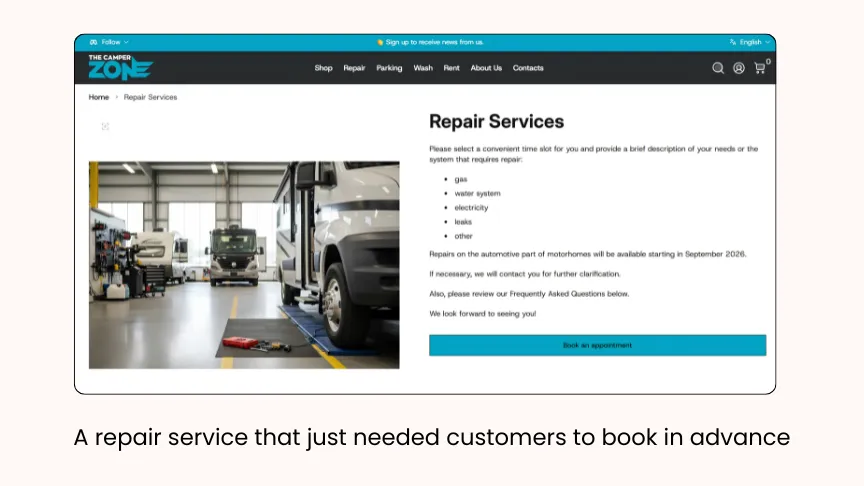
Customers simply flag the type of issue- gas, water, electrics, or something else- then pick a slot from the calendar.
There's no price shown anywhere in the flow, just a short form asking for name, phone, and email. The booking itself carries no cost, so nothing needs to be settled before the vehicle is actually seen.
The result
Customers can get a repair slot on the calendar without needing a quote first, and The Camper Zone doesn't have to guess at a price before diagnosing the actual problem.
What you can learn from The Camper Zone
If your pricing genuinely depends on diagnosis, don't force a number onto the booking step. Let the appointment happen first, and price the work once it's actually understood.
Suitable Collection
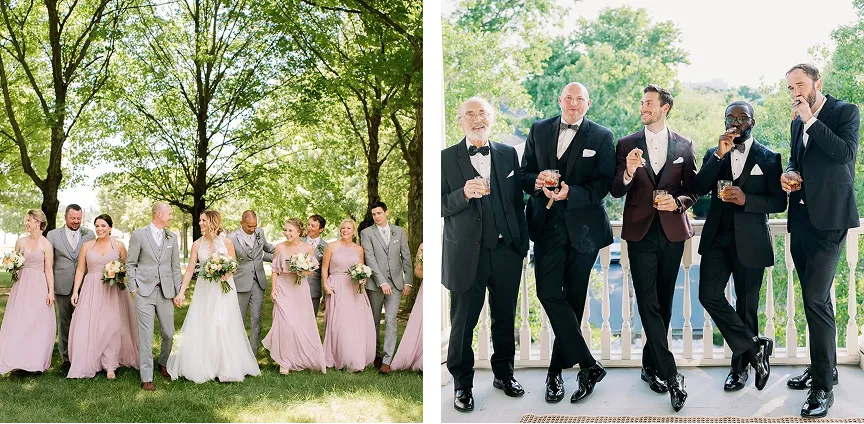
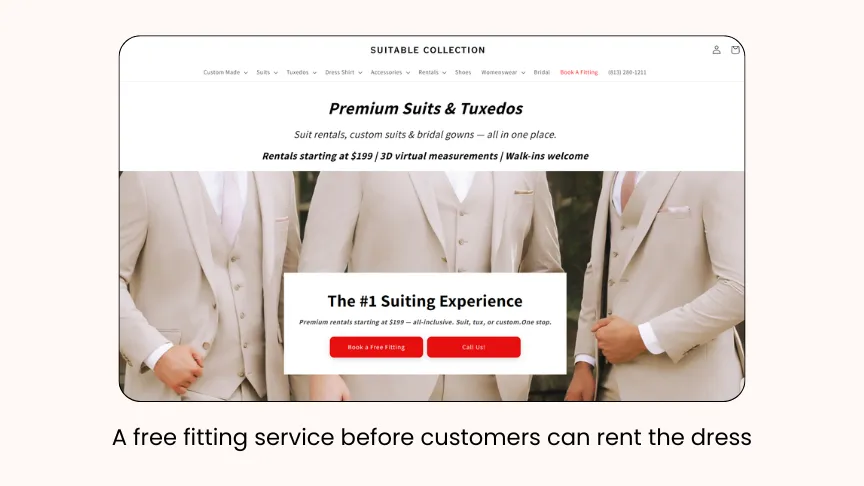
Suitable Collection rents and sells suits, tuxedos, and bridal gowns, with rental prices starting at $199, advertised right on the homepage.
The Challenge
A fitting isn't a purchase; it's the step that happens before someone decides to rent or buy anything at all.
But there's a real risk that a fitting starts to feel like a financial commitment before the customer has even tried anything on.
How they solved it
They added free fitting kept apart from rental pricing
The ‘Book a Free Fitting’ button opens an entirely separate flow: pick a store, then a date and time, then just contact details. There’s no price or cart details anywhere.
The result
Customers get to try before any pricing conversation happens, which lowers the barrier to walking in the door in the first place.
What you can learn from Suitable Collection
You can be a business built entirely around pricing and still keep the one interaction meant to build trust- a fitting, a consultation, a first visit- completely free of that pricing language.
Read also: How to set up rentals on Shopify store
Dirty Riders
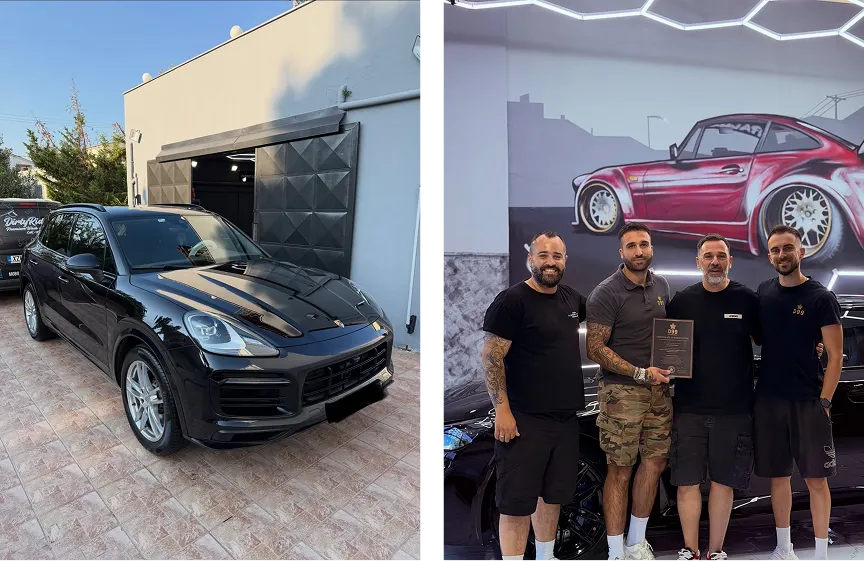
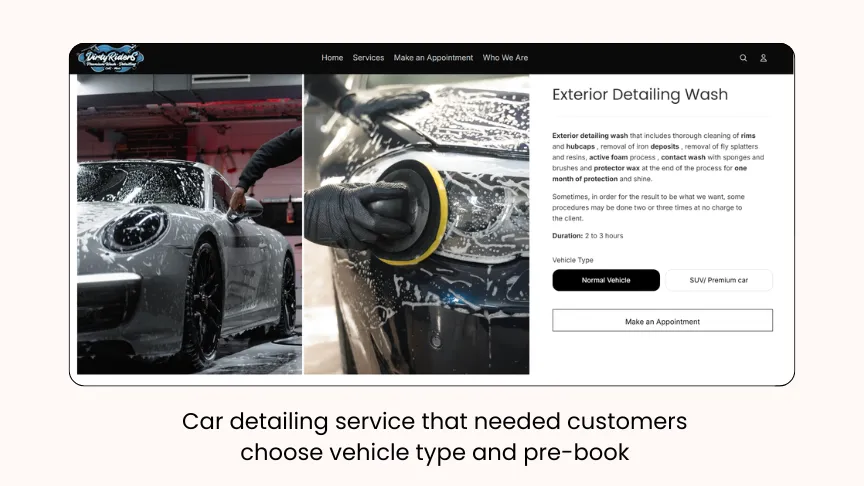
Dirty Riders offers car detailing and washing, with exterior detailing listed by vehicle type rather than a single fixed service.
The Challenge
A normal vehicle and an SUV or premium car aren't the same amount of work. But that difference doesn't necessarily need to be handled like a product catalog, with each variant having its own price tag.
How they solved it
Vehicle type as a booking detail, not a priced option
Customers pick Normal Vehicle or SUV/Premium and click ‘Make an Appointment’, with no price shown next to either choice. The vehicle type shapes the job itself, not a transaction.
The result
Customers can specify what they're bringing in without the booking turning into something that looks like a purchase decision.
What you can learn from Dirty Riders
If your service naturally comes in a few variations, that doesn't mean each one needs its own price and product listing. It can just be a detail on the booking form.
Freewheel Cycology
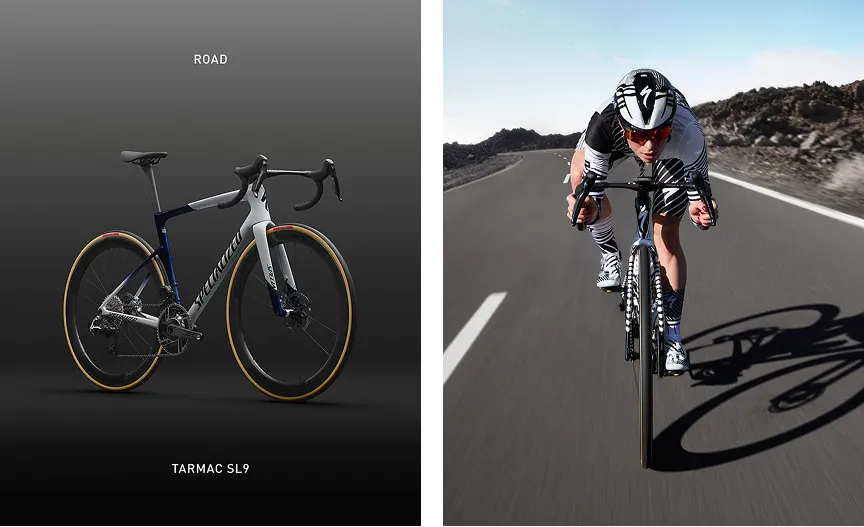
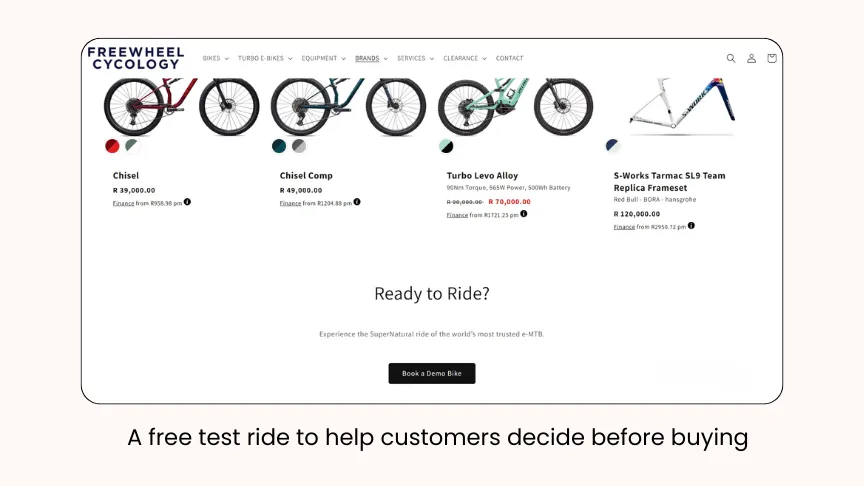
Freewheel Cycology sells mountain bikes and e-bikes, some priced well over R100,000 with financing options attached.
The Challenge
Asking someone to commit to a bike at that price point without trying it is a big ask.
But a full purchase flow doesn't fit what's really being offered here, a chance to try before buying, not a transaction.
How they solved it
A free multi-day demo, separate from the purchase flow entirely
The ‘Book a Demo Bike’ button leads to its own flow: a three-day loan of a specific model, with the booking asking only for name, phone, and email.
The result
Customers get a real way to try an expensive bike before deciding anything, right next to a store full of priced products.
What you can learn from Freewheel Cycology
Even for high-value products, a trial or demo booking can exist entirely apart from the purchase decision. This makes it easier for someone to say yes to trying, long before they have to say yes to buying.
What these stores have in common
All four of these businesses sell products with real prices attached. Motorhome repairs, dress rentals, detailing packages, bikes.
But look at the actual booking step in each one, and the price disappears completely. No cost is shown, no add-to-cart option, and nothing to check out.
Each business needs customers to book in advance without any price and without looking like a product.
- The Camper Zone needs to see the vehicle before it can price the repair.
- Suitable Collection needs customers to try on a suit before renting it.
- Dirty Riders needs to know what vehicle is coming in, not sell a product variant for it.
- Freewheel Cycling wants someone to actually ride the bike before spending anything.
In every case, the booking exists to make that first step easy, and the price gets sorted out separately.
That's exactly what creating a service without a product in BookX is built for, and these four stores show what it looks like once it's running on a real, live site.
FAQs
1. Can you do bookings through Shopify?
Yes, but Shopify doesn't have booking built in natively. It takes an app like BookX to add a calendar, availability, and a way for customers to reserve a slot.
2. Can customers book for free, without a product involved at all?
Yes. A service created without a product carries no price and no checkout, so a free consultation or appointment stays exactly that: a booking, not a $0.00 purchase.
3. Does Shopify have a booking system, and is there a free way to set one up?
Not on its own. You'll need an app for it. Whether it's free depends on the app and plan, but the core no-product setup discussed here doesn't require a paid product to exist either way.
4. What should I look for in a booking app if I specifically need no-product bookings?
Check whether the app lets a service exist without being linked to a product at all (like BookX does), not just whether it can skip checkout for a product that still exists. Those are two different things, and it's worth confirming which one an app actually offers before you commit.
Read also: Add Appointments with a Shopify Booking App
5. What's the downside of Shopify for a service-based business?
Shopify is built around selling fixed-price products through a cart and checkout. That's the whole reason this workaround exists; a booking-based business doesn't naturally fit that structure without the right app filling the gap.
.avif)
.svg)
.svg)
.svg)


.svg)